Sleeping Warm in a Metal Box
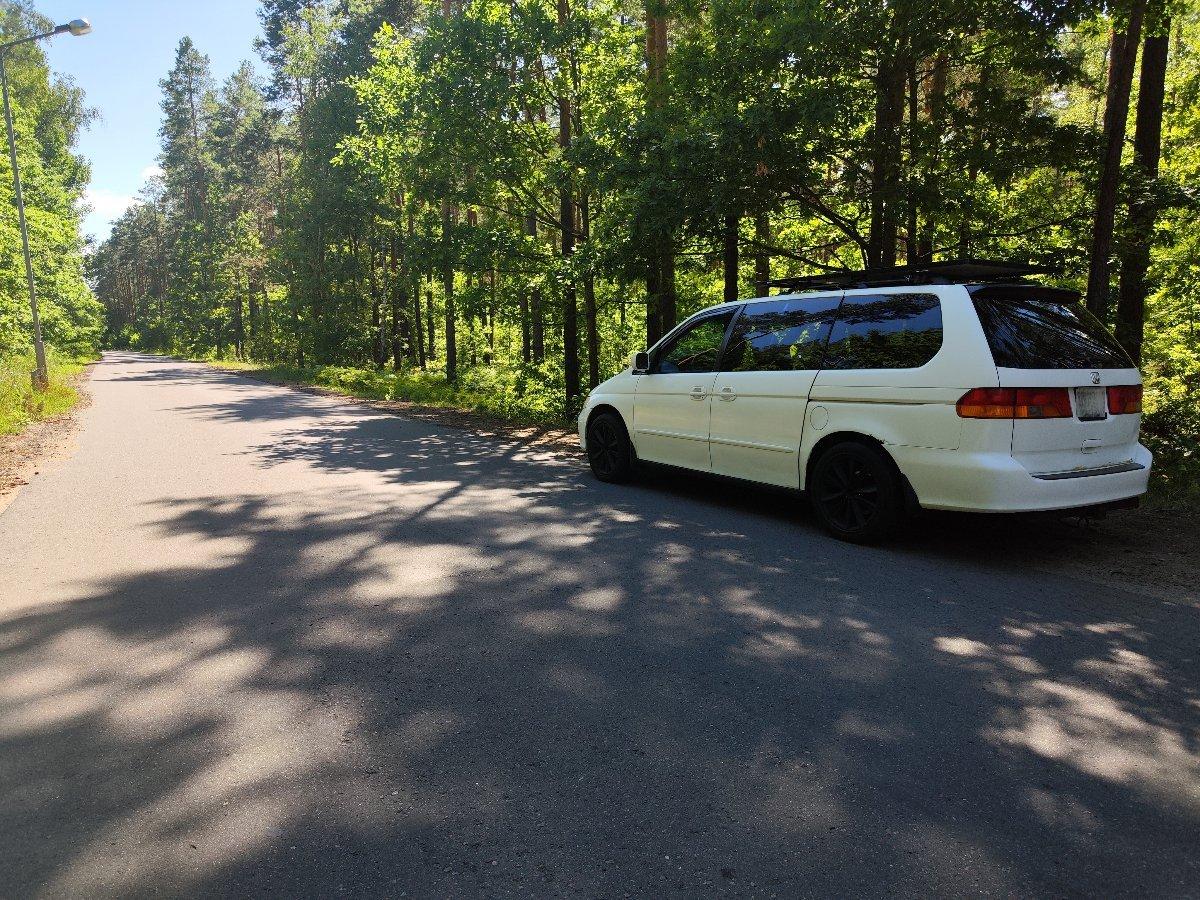
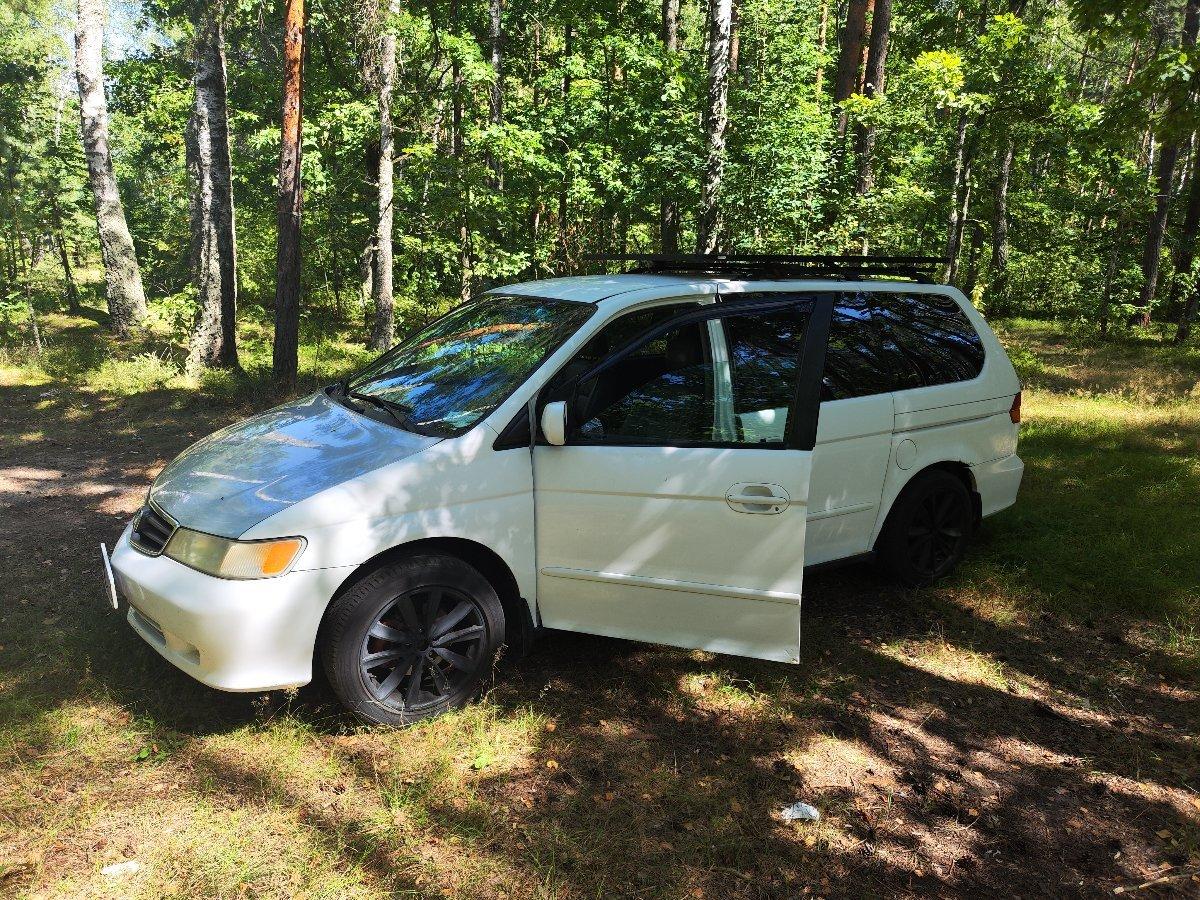
A minivan is essentially a large metal container with windows. When the temperature drops, that metal acts as a giant heat sink, drawing warmth away from your body and making the interior uncomfortably cold. Without proper preparation, a 40°F night feels like 20°F inside your van. The good news is that with the right combination of insulation, heating strategy, and sleep gear, you can comfortably camp in temperatures well below freezing. Here is how I stay warm in my Honda Odyssey camper through cold nights.
Insulation: The First Line of Defense
Before you add any heat source, you must prevent the heat you have from escaping. Start with window covers — custom-cut Reflectix panels covered in black fabric on one side and silver on the other. They provide R-value of about 1.1 per layer and block both heat loss and light. For permanent insulation: adhere Kilmat or Noico butyl sound deadener to the bare metal floor panels, then add a layer of 1/4-inch closed-cell foam (EVA) and a plywood floor. For the walls, 3M Thinsulate (SM600L) between the plastic panels provides excellent thermal and acoustic insulation without adding significant weight.
Ventilation Is Critical
Many first-time cold-weather campers make the mistake of sealing the van completely. Without ventilation, condensation builds up rapidly from your breath and body moisture. By morning, everything is wet — sleeping bag, clothes, ceiling liner — and you feel colder than you would with some fresh air circulating. Install a MaxxAir or Fantastic Fan roof vent. Most models have a thermostat that automatically opens or closes the lid based on temperature. Crack a window on the opposite side of the van from the fan to create cross-ventilation. Run the fan on low (exhaust mode) continuously through the night.
Choosing a Heat Source
Diesel Heaters — The gold standard for van heating. A 2kW or 3kW Vevor diesel heater costs $100-160 and produces dry, safe heat. Installation requires cutting a hole in the van floor for the intake/exhaust, mounting the unit under the vehicle, and running ducting inside. The heater consumes about 0.1-0.2 liters of diesel per hour on low. For a minivan, mount the heater in the spare tire well.
Propane Heaters — The Mr. Heater Little Buddy (3600 BTU) connects to a 1 lb propane cylinder and provides radiant heat. It has an oxygen depletion sensor (ODS) that shuts it off if oxygen levels drop. Always crack two windows when using any unvented propane heater — it consumes oxygen and produces moisture. A 1 lb cylinder lasts about 5-6 hours on low.
Electric Blankets and Heating Pads — If you have a power station (EcoFlow, Jackery), a 12V electric blanket draws about 50W and keeps you warm all night with minimal energy use. Combined with a good sleeping bag, this is the safest option.
Sleep System Layering
Your bed setup matters more than your heater. A sleeping pad with high R-value (R-value of 4.0 or higher) prevents conductive heat loss through the van floor. The Exped MegaMat 10 or Therm-a-Rest MondoKing 3D both offer R-values above 6.0. On top, use a three-season sleeping bag rated to 20°F with a fleece liner — this combination is comfortable down to about 15°F. Wear thermal base layers (merino wool is excellent), a beanie, and wool socks to bed. A Nalgene bottle filled with hot water, wrapped in a sock and placed in your sleeping bag 30 minutes before bed, provides hours of gentle warmth.
My Cold-Weather Setup
On a typical 25°F night in my Odyssey camper: I run a 2kW diesel heater on the lowest setting (about 55°F cabin temperature), run the MaxxAir fan on low to manage condensation, sleep on an Exped MegaMat 10 with a 20°F down sleeping bag and merino base layers. The diesel heater uses about 1 liter of fuel over 10 hours. In the morning, the cabin is condensation-free, warm, and comfortable. Total cost for the complete cold-weather setup: approximately $400 including insulation materials.
Safety Checklist
- Install a carbon monoxide detector — hardwired or battery-powered with a digital display. Place it at head height while sleeping.
- Keep a fire extinguisher within arm’s reach of the bed.
- Test your heater system at home in a well-ventilated area before your first camping trip.
- Never run a generator, camp stove, or BBQ inside the van, even with ventilation.
- Check propane connections with soapy water for leaks before each trip.