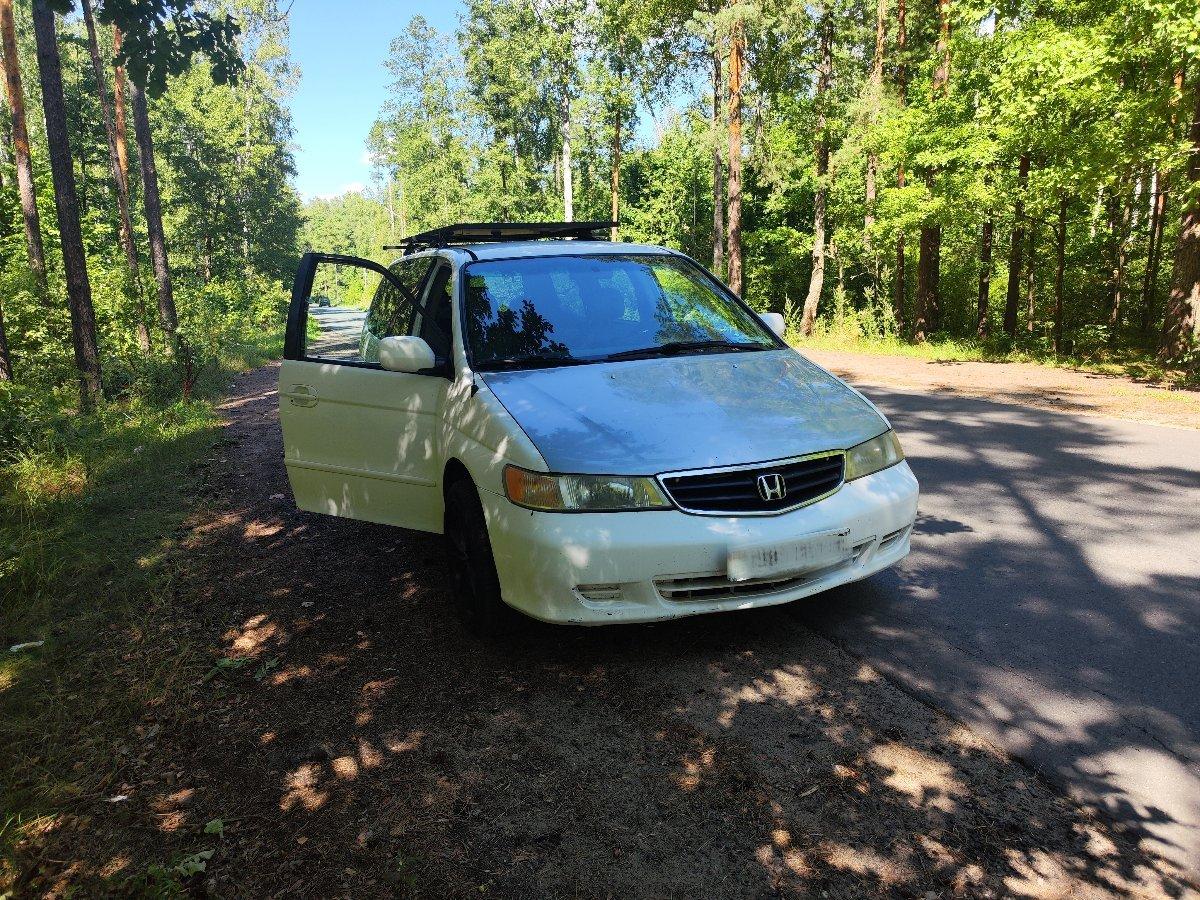
The Honda Odyssey may seem like a boring family minivan, but it is actually a surprisingly capable platform for modifications. With a few upgrades, you can transform your Odyssey into a stylish, functional vehicle that is perfect for camping and road trips. Here are the best modifications I have made to my 2002 Honda Odyssey.
Audio System Upgrade
The factory stereo in the Odyssey is basic. I replaced mine with an Android-based double DIN head unit. This gives me GPS navigation, music streaming, Bluetooth calling, and a backup camera display. The installation is straightforward with a wiring harness adapter. Total cost was around $250 for the unit and installation kit.
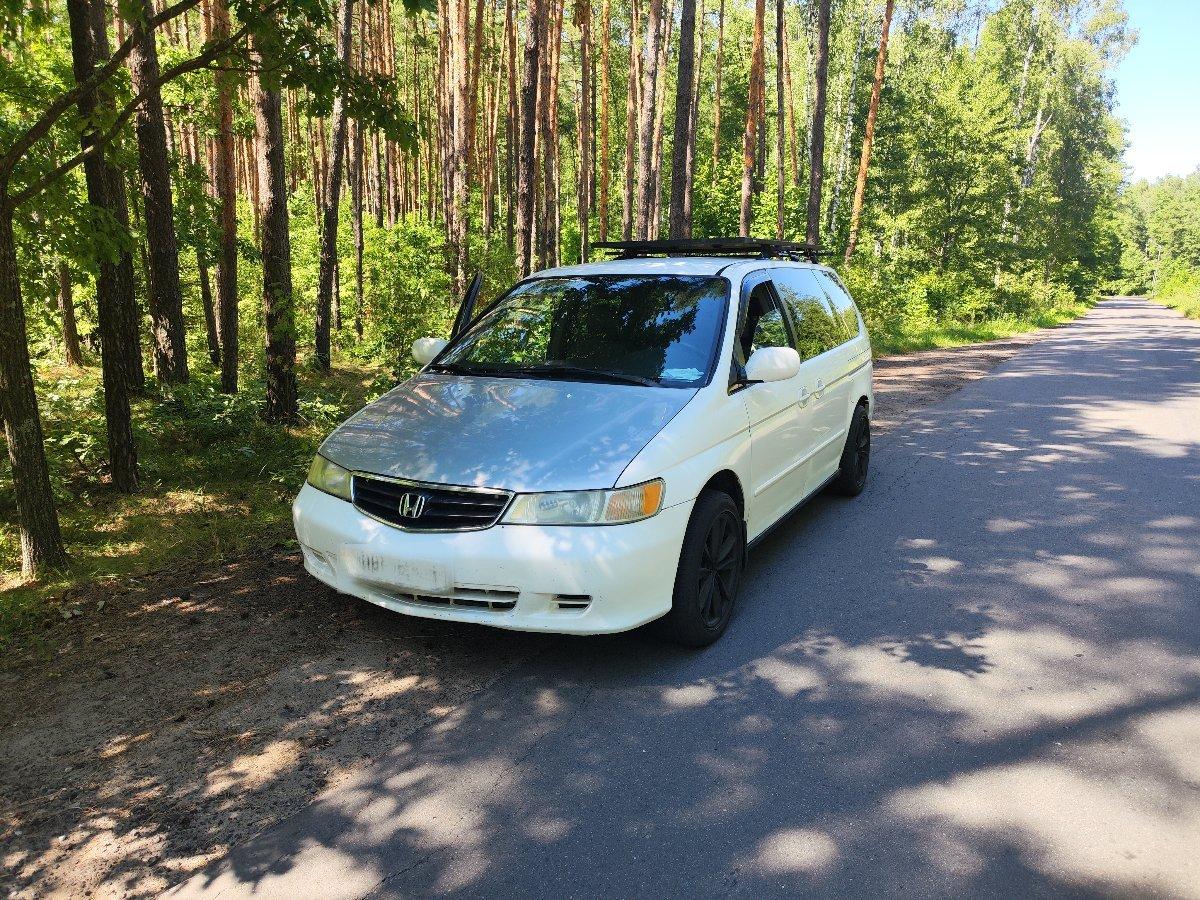
Wheels and Tires
Upgrading the wheels completely transforms the look of the Odyssey. I installed black 17-inch alloy wheels with all-terrain tires. The black wheels give the van a sporty, aggressive appearance. The all-terrain tires provide better traction on gravel roads and forest trails, which is essential for camping access.
Roof Rack
A roof rack is essential for carrying extra gear. I installed a set of crossbars on the factory roof rails. This allows me to carry a cargo box for additional storage, or mount a solar panel for charging my electrical system. The crossbars cost about $100 and install in minutes.
Interior Modifications
Inside, I added a sleeping platform, window tints for privacy, and a portable power station. The sleeping platform was the best upgrade. Window tints keep the cabin cool in summer and provide privacy for camping. The power station runs my fridge, lights, and charges devices.
Suspension Upgrade
For better handling, consider upgrading the suspension. Coilover kits are available for the Odyssey and improve cornering and ride quality. This is especially noticeable when the van is loaded with camping gear. A mild lowering of one to two inches also improves the appearance.

After modding your Odyssey, make sure you have the right tools and proper tires for the build.